Egypt is a top destination on many travel wish lists, and for good reason. The sheer scale of its history is hard to grasp until you’re standing right in front of it. However, high temperatures, large crowds, and logistical challenges can detract from the experience. This is where a high-end itinerary proves its value. Choosing a luxury tour isn’t just about premium hotels; it’s about securing access, space, and time.
Investing in luxury Egypt tours remove the friction of visiting a major tourist hub. You can move through the country at your own pace, bypassing queues and noise. This allows you to focus entirely on the archaeology and culture, knowing that every detail is managed for you. It transforms a potentially exhausting trip into a seamless journey through history.
Private Access on the Giza Plateau
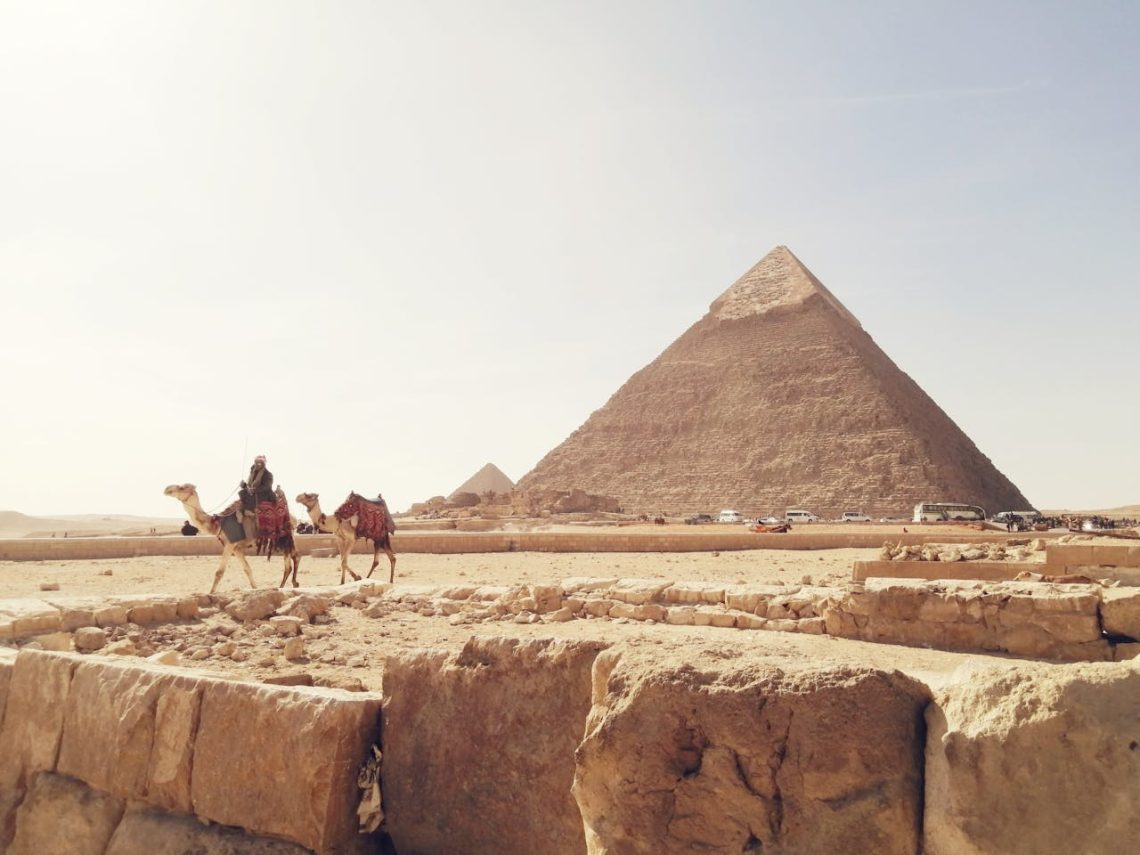
The Giza Plateau is Egypt’s iconic landmark, but it’s also one of its busiest. A standard visit means dealing with crowds and noise, but a luxury itinerary offers private access for a more intimate experience. This includes exclusive entry to the Sphinx enclosure when it’s closed to the public.
Standing alone between the Sphinx’s paws allows you to truly connect with its scale and craftsmanship in peaceful silence. Similarly, private entry to the Great Pyramid of Khufu lets you explore its chambers, including the King’s Chamber, without queues or distractions, giving you time to absorb the atmosphere and engage with your guide. Staying nearby at a historic hotel like Marriott Mena House enhances the experience, offering uninterrupted pyramid views at breakfast.
Sailing the Nile on a Dahabiya
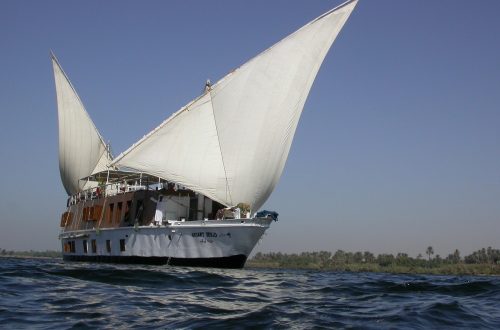
Further south in Upper Egypt, the Nile is the main route between Luxor and Aswan. While large cruise ships are a common sight, they offer a standardised and often crowded experience. For a more private and comfortable journey, a traditional Dahabiya boat is a superior alternative. These two-masted sailing vessels accommodate fewer guests, creating an intimate atmosphere akin to a private yacht.
A Dahabiya uses wind power or a small tugboat, ensuring a quiet journey free from engine vibrations. This allows you to visit smaller islands and archaeological sites inaccessible to larger ships, like the Gebel el-Silsila quarries. You can explore villages and markets with fewer tourists, offering a more authentic glimpse into local life. Onboard, the dining is exceptional, with a private chef preparing meals from fresh, local ingredients that complement the river’s slow pace.
Expert Guidance in Luxor and the Valley of the Kings
Luxor is often called the world’s greatest open-air museum, but its vast history can feel overwhelming without proper context. Visiting the Valley of the Kings with a qualified Egyptologist is key to understanding the significance of what you see. A private guide goes beyond dates, weaving a narrative that connects tomb artwork to the beliefs of its creators.
High-end tours focus on exclusive, often ticket-limited sites that standard groups miss. For example, the Tomb of Queen Nefertari in the Valley of the Queens, famed for its vibrant, well-preserved colours, has restricted access to protect its paintings. Luxury operators secure tickets in advance, ensuring you don’t miss highlights. Guides also plan visits to popular temples like Karnak or Luxor Temple during quieter times, such as early morning or late afternoon, ideal for avoiding crowds and capturing great photos.
Resting by the Red Sea
After days of exploring temples and tombs, a change of pace helps you process the journey. Ending your trip at a premium Red Sea resort, such as in Sharm El Sheikh or Hurghada, offers the perfect contrast to the cultural intensity of the Nile Valley. Known for marine life and year-round sun, these destinations focus on relaxation and exceptional service. Enjoy private, quiet beaches or take private charters to world-class snorkelling and diving reefs away from the crowds. These resorts ensure your final days in Egypt are restful, leaving you refreshed before your flight home.
Conclusion
Egypt rewards those who plan carefully and prioritise quality. Investing in a luxury experience grants you the privilege of time and space, two commodities that are rare at major historical sites. By choosing private access, expert guidance, and premium accommodation, you ensure that your memories of the pharaohs are defined by wonder rather than logistical stress.