
Your website acts as the primary storefront for your business. It works twenty-four hours a day to represent your brand, answer customer queries, and facilitate sales. If the design fails to capture attention immediately or the functionality is poor, you lose potential revenue. An effective digital presence requires more than just attractive images; it demands a strategic approach to both design and development. This article breaks down the core components of building a high-performing site and why professional website design and development services are a necessary investment for growth.
Key Elements of Effective Website Design
Design goes far deeper than colour schemes and typography. The most critical component is User Experience (UX). This discipline focuses on how a person feels when interacting with your system. A site with strong UX guides visitors intuitively to the information they need. If a user has to think too hard about where to click next, they will likely leave. Designers map out user journeys to create a logical flow that encourages conversion, whether that means making a purchase or filling out a contact form.
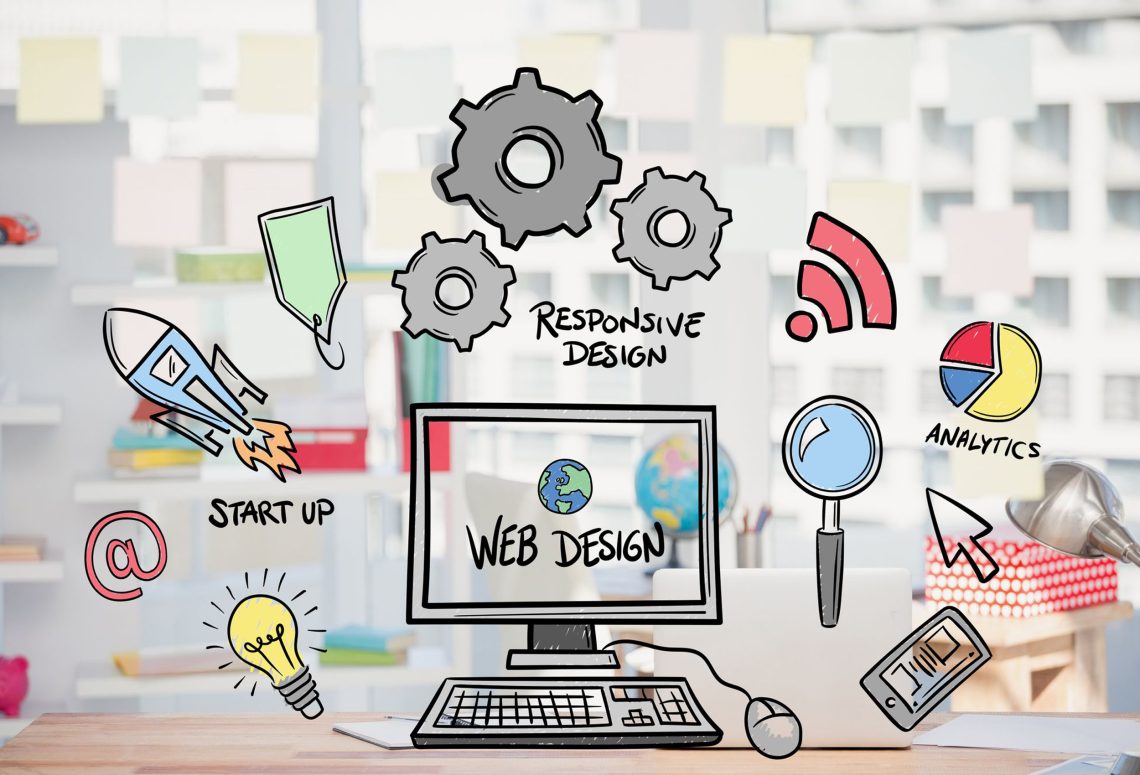
Mobile responsiveness is another non-negotiable factor. With the majority of web traffic now coming from smartphones and tablets, your site must adapt seamlessly to different screen sizes. Search engines like Google prioritise mobile-friendly websites in their rankings. If your site is difficult to read or navigate on a phone, you effectively penalize your own visibility. A professional approach guarantees that the layout shifts fluidly, images resize correctly, and buttons remain clickable regardless of the device used.
Visual appeal serves as the final piece of the design puzzle. It establishes immediate trust and credibility. Users form an opinion about your business within milliseconds of landing on your page. A cluttered, outdated, or inconsistent interface suggests a lack of professionalism. High-quality imagery, balanced use of white space, and consistent branding help communicate your value proposition clearly. When the visual elements align with your brand identity, they strengthen recognition and customer loyalty.
The Website Development Process
While design focuses on the look and feel, development involves the coding that makes the site function. This process generally splits into front-end and back-end development. Front-end developers use languages such as HTML, CSS, and JavaScript to build the visual elements that users interact with directly. They translate the designer’s vision into a working interface. Every button, animation, and layout structure relies on clean front-end code to perform well across different browsers.
Back-end development powers the server side of the website. It involves databases, server logic, and application programming interfaces (APIs). Think of this as the engine room. If you run an e-commerce store, the back-end manages product inventories, processes payments, and stores customer data securely. Without a strong back-end structure, the site would be a static brochure rather than a functional tool.
Many businesses also rely on Content Management Systems (CMS) to maintain their sites. A CMS like WordPress allows you to update text, add blog posts, and upload images without needing to write code every time. Developers set up this system to match your specific requirements, giving you control over your content while maintaining the structural integrity of the site.
Investing in Your Digital Future
A website is a significant asset that drives brand awareness and revenue. By prioritizing excellent user experience, mobile responsiveness, and solid development practices, you create a powerful tool for your business. While template solutions might seem attractive for their low initial cost, they often lack the performance and flexibility needed for long-term success. Partnering with professional designers and developers gives you access to the skills and support necessary to compete effectively in the digital marketplace.