
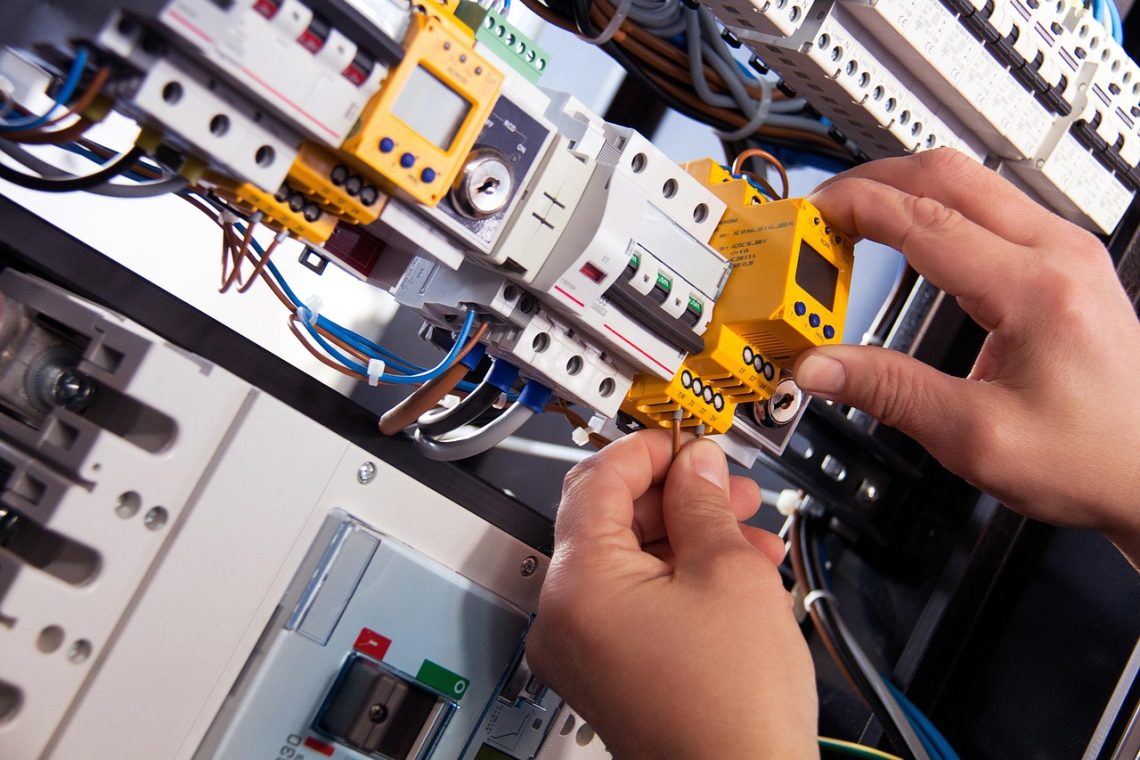
Owning a home in Arlington comes with a long list of responsibilities, and electrical safety is one that too many homeowners overlook until something goes wrong. Whether you live in a classic brick Colonial in Lyon Village, a mid-century split-level in Nauck, or a newer townhome near Ballston, your home’s electrical system quietly powers everything you rely on every day. For professional help with your home’s electrical needs, contact Arlington VA Licensed Electrician to keep your system safe and up to code.
Why Electrical Safety Inspections Matter in Arlington
Arlington’s housing stock is wonderfully diverse, but that diversity comes with a catch. Homes built in the 1950s, 60s, and 70s were wired for a fraction of the electrical load today’s households demand. Smart TVs, EV chargers, home office equipment, HVAC upgrades, and kitchen appliances all draw significant power — often more than aging panels and wiring were designed to handle.
Arlington County also enforces the Virginia Uniform Statewide Building Code, which adopts current NEC standards. That means older systems that were once “up to code” may no longer meet modern safety requirements, even if they appear to be functioning normally.
Doing a regular walkthrough of your home’s electrical components isn’t about paranoia — it’s about being a responsible homeowner.
The Arlington Home Electrical Safety Checklist
1. Electrical Panel Inspection
Your electrical panel is the heart of your home’s electrical system. Start here.
- Check for a Federal Pacific or Zinsco panel. These brands were commonly installed in Arlington homes built between the 1950s and 1980s and are known to have defective breakers that fail to trip during overloads — a serious fire risk. If you have one, schedule a panel replacement as soon as possible.
- Look for signs of overheating. Burn marks, a burning smell near the panel, or a warm panel door are red flags that require immediate attention.
- Ensure breakers are properly labeled. Every circuit should be clearly identified. Unlabeled panels make troubleshooting difficult and can slow emergency response.
- Check for double-tapped breakers. This means two wires are connected to a single breaker terminal — a common DIY mistake that can cause overloads. Most breakers are only rated for a single wire connection.
2. Outlets and Switches
Walk through every room in your home and inspect outlets and switches carefully.
- Test GFCI outlets in wet areas. Ground Fault Circuit Interrupter outlets are required in bathrooms, kitchens, garages, and outdoor spaces. Press the “Test” button — the outlet should lose power. Press “Reset” to restore it. If it doesn’t respond correctly, it needs to be replaced.
- Look for two-prong ungrounded outlets. Older Arlington homes often still have two-prong outlets, which lack grounding protection. These should be upgraded to three-prong grounded outlets by a licensed electrician.
- Check for cracked or discolored outlet covers. Yellowing or scorch marks around an outlet indicate heat buildup and potential arcing — both are fire hazards.
- Test every outlet for power. Dead outlets can indicate a tripped GFCI upstream, a wiring fault, or a failing breaker. Don’t ignore them.
- Check for loose outlets. If a plug wiggles excessively or falls out on its own, the outlet’s contact points are worn and need replacement.
3. Wiring and Visible Electrical Components
- Look for aluminum wiring. Homes built in Arlington between 1965 and 1973 may contain aluminum branch circuit wiring, which expands and contracts differently than copper and can loosen connections over time, creating fire hazards. A licensed electrician can assess and remediate aluminum wiring issues.
- Inspect visible wiring in the attic, basement, and garage. Look for frayed insulation, wires running through wall cavities without proper protection, or evidence of rodent damage.
- Check for extension cord overuse. Relying heavily on extension cords or power strips is a sign that your home needs additional dedicated circuits. Extension cords are a temporary solution, not a permanent one.
- Confirm that light fixtures aren’t over-lamped. Each fixture has a maximum wattage rating printed inside. Exceeding it generates excess heat and can damage wiring or start fires.
4. Smoke and Carbon Monoxide Detectors
- Test all smoke detectors monthly. Arlington County recommends smoke detectors on every level of the home and inside each bedroom.
- Replace detectors older than 10 years. Smoke detector sensors degrade over time. Check the manufacture date on the back of each unit.
- Ensure you have carbon monoxide detectors. CO detectors are required within 15 feet of each sleeping area in Virginia. Check battery life and test monthly.
- Consider hardwired interconnected detectors. When one alarm sounds, they all sound — this is the gold standard for residential fire safety.
5. Outdoor and Garage Electrical Safety
- Inspect outdoor outlets for weatherproof covers. All exterior outlets in Arlington must have in-use covers that protect against moisture even when something is plugged in.
- Check outdoor lighting fixtures for water intrusion. Cracked or unsealed fixtures allow moisture in, which can corrode wiring and create shock hazards.
- Evaluate your garage panel and outlets. Garages are increasingly used for EV charging, power tools, and home gyms. Make sure your garage circuits are adequate for the demand you’re placing on them.
When to Call a Licensed Arlington Electrician
Some items on this checklist are simple enough to monitor yourself, but many require a licensed professional to address safely and legally. You should call an electrician if you notice flickering lights throughout the home, frequently tripping breakers, outlets that feel warm to the touch, a burning smell anywhere in the home, or if your home is more than 30 years old and hasn’t had a full electrical inspection.
Make Electrical Safety a Routine
Electrical hazards rarely announce themselves loudly — they build quietly behind walls and inside panels until a problem becomes unavoidable. By working through this checklist once a year and after any major storm, renovation, or appliance addition, Arlington homeowners can stay ahead of potential issues and keep their homes safe, up to code, and functioning at full capacity.
Your electrical system works hard every single day. A little proactive attention goes a long way.