
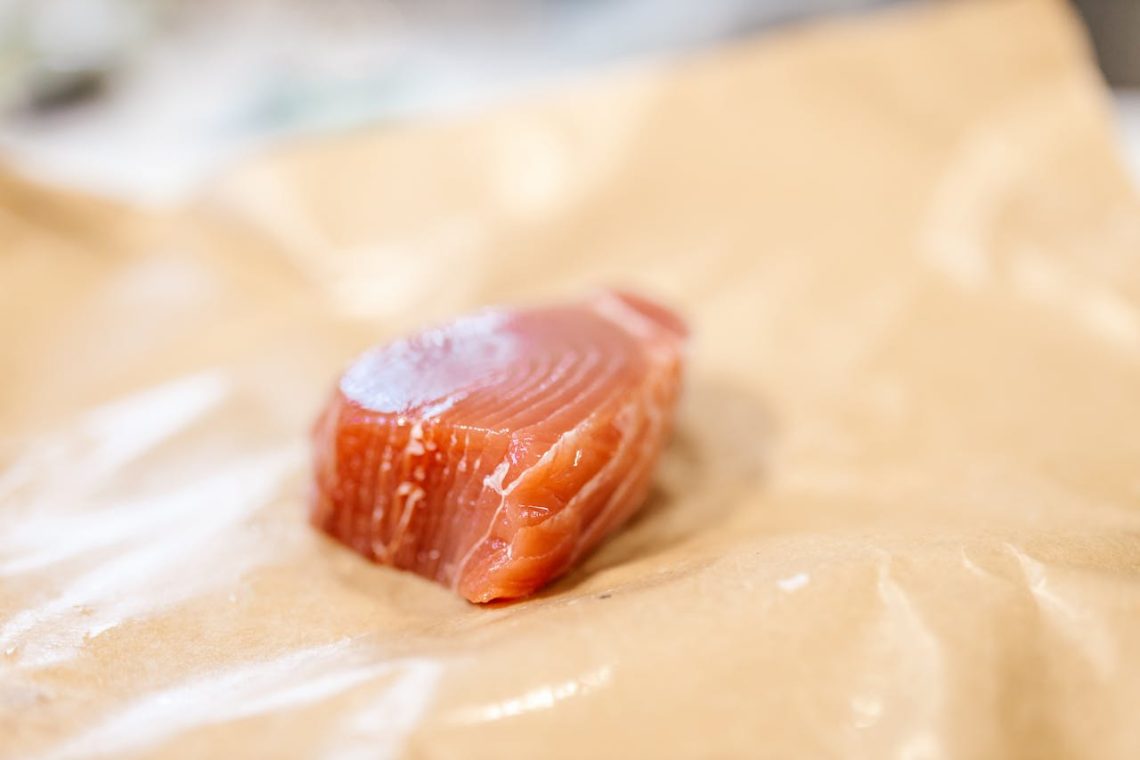
You may have seen smoked salmon trimmings next to premium slices at the supermarket and overlooked them. Despite their irregular shape, they offer the same rich, smoky flavor as the pricier cuts—at a fraction of the cost. If you’ve avoided them because they lack the neatness of rectangular slices, you’re missing out on their potential to elevate weekday dinners or bring luxury to a weekend breakfast.
Trimmings come from the edges of the fillet, removed to create uniform slices, but they’re identical in quality, cure, and flavor. By choosing these cuts, you get a versatile, gourmet ingredient without the hefty price tag—perfect for upgrading everyday meals.
The Economic and Environmental Case for Offcuts
Choosing trimmings benefits both your wallet and the planet. Prime slices have a high price due to their aesthetic appeal and the labour involved in preparing them. When you buy offcuts, you get the same high-quality protein for much less. This can make better quality fish, like organic or wild-caught varieties, more affordable for your weekly budget.
Environmentally, using every part of the fish respects the resources involved in catching it. Food waste is a major global problem, and the seafood industry contributes a significant amount. By opting for trimmings, you support a more sustainable food system by ensuring less edible food is discarded. It’s a small choice that encourages a larger culture of resourcefulness and respect for ingredients.
Creative Ways to Cook with Trimmings
These irregular salmon pieces are perfect for dishes where whole slices aren’t needed, saving you prep time as they’re already chopped or easy to tear. Pasta dishes are a great option—stir them into a creamy carbonara or lemon linguine at the end of cooking. The pasta’s heat gently warms the salmon, adding a savoury depth to the sauce.
For a quick appetiser, blend the trimmings with cream cheese, dill, and lemon juice to create a rich pâté or mousse. The smooth texture is ideal for dips, and serving it on toasted sourdough or rye bread makes for a sophisticated starter. Their bold flavour means a little goes a long way, stretching a small packet to feed a crowd.
Breakfast is another opportunity to use these cuts. Add small pieces to scrambled eggs just before serving—the saltiness complements the eggs’ richness for a perfectly balanced meal. You can also toss them into quiches or frittatas, where their uneven shapes add rustic charm and bursts of flavour.
Maintaining Freshness and Flavour
To maintain the quality of smoked salmon trimmings, proper storage is key. Once opened, the fish is more exposed to air than whole slices, causing it to dry out faster. Consume within 2–3 days and keep it fresh by tightly wrapping in cling film or storing in an airtight container in the coldest part of your fridge.
If you’re not using the entire packet, freezing is a good option. Divide trimmings into smaller portions to defrost only what you need. Freezing may slightly soften the texture, but this is less noticeable since trimmings are often used in sauces or mousses. Defrost overnight in the fridge for best results.
A Powerhouse of Nutrition
Smoked salmon trimmings might be cheaper, but they don’t compromise on nutrition. They offer the same high levels of Omega-3 fatty acids, protein, and Vitamin D as premium cuts, which support heart health, brain function, and your immune system. Because trimmings often come from the brown meat closer to the skin, they can contain even higher concentrations of healthy fats than leaner centre cuts.
Incorporating them into your diet is a straightforward way to boost your nutrient intake without supplements. The high protein content also helps you feel fuller for longer. For the health-conscious cook, salmon trimmings are an easy win, providing superfood benefits without the premium price tag.
Smart Choices for Better Meals
Cooking with smoked salmon trimmings allows you to enjoy gourmet ingredients without straining your budget. It encourages a more sustainable approach to food consumption by valuing the entire fish rather than just the “pretty” parts. Next time you visit the fishmonger or supermarket, consider reaching for the trimmings. You will find that delicious, nutritious meals often come from the most humble ingredients.