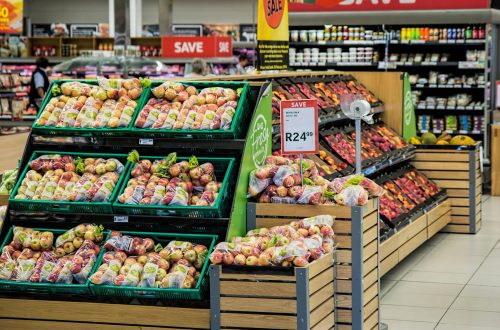
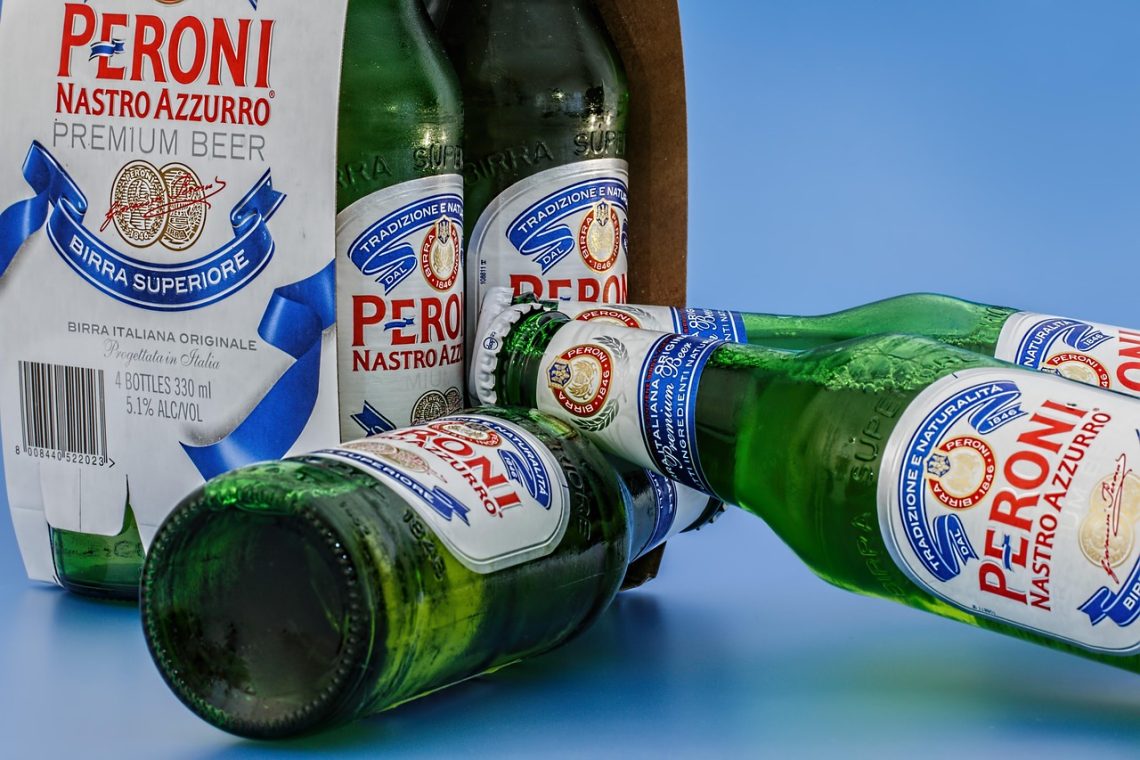
When a potential customer scans a shelf, they process hundreds of visual cues in seconds. Your bottle label serves as the primary communication tool during this critical window. It must convey quality, ingredients, and brand personality before the product is even touched. Effective bottle labelling connects your production efforts with commercial success, influencing purchasing decisions and building consumer trust. This guide examines the essential components required to create labels that function perfectly in the marketplace.
The Basics of Effective Bottle Labelling
Selecting the right material is the first step in production, dictated by the environment where your product will be used. For example, white wine and craft beer often sit in ice buckets or refrigerators, where moisture can cause standard paper labels to degrade or peel. Synthetic films or wet-strength papers offer the durability needed in these conditions. Texture also plays a psychological role—textured papers often signal a premium or artisanal product, while sleek, glossy synthetics convey a modern, clean look. Your material choice should align with the product’s price point and market positioning.
Design isn’t just about aesthetics; it’s about communication. Legibility is key—a fancy script font fails if consumers can’t quickly read the grape variety, alcohol percentage, or brand name. High contrast between text and background ensures readability, while your color palette should resonate with your target audience. Bold, vibrant colors attract younger buyers, while muted tones appeal to traditional consumers. Every design element should guide attention to the most important information.
Regulatory compliance is essential. Different markets have strict rules on font sizes for alcohol content, pregnancy warnings, and allergen labels. A design that works in one country might be illegal in another, leading to fines or recalls. Always verify regulations for each market and create adaptable templates to meet varying legal requirements without compromising brand consistency.
Common Labelling Mistakes and How to Avoid Them
One common mistake is ignoring the application process and adhesive compatibility. Even the best design looks unprofessional if it bubbles, wrinkles, or lifts at the edges. This often happens when the adhesive isn’t suited to the glass surface or bottling temperature. Always test your label materials on the specific bottles under real bottling conditions.
Another misstep is overcrowding the front label. Brands often try to include their entire history or detailed tasting notes, overwhelming shoppers and hiding the brand identity. The front label should grab attention and communicate the core message, while details like food pairings or sourcing can go on the back label or a digital link.
Colour calibration issues are another source of frustration. Colours on a backlit monitor rarely match printed ink perfectly. Without proper colour proofing, the final product can look dull or muddy. Always request physical proofs on the actual stock to ensure sharp contrast and accurate brand colours before a full print run.
Technology and Innovation in Bottle Labelling
Innovation is reshaping how brands connect with consumers through packaging. Smart labels with QR codes and Near Field Communication (NFC) tags are becoming standard, allowing buyers to scan a bottle and instantly access tasting notes, supply chain data, or promotions. This digital layer extends your packaging’s real estate without cluttering the physical design.
Sustainability is another key driver. New adhesives allow for easier label removal during glass recycling, supporting the circular economy. Eco-friendly inks from vegetable or algae sources are also gaining traction, reducing the chemical impact of printing.
Digital printing has also revolutionised the industry by making short production runs affordable. Where high setup costs once made limited editions prohibitive for smaller producers, digital presses now enable high-quality output without expensive plates. This helps you react quickly to market trends or produce personalised batches for specific events.
Conclusion
Your label acts as a critical asset in your wider marketing strategy. It protects the integrity of your brand and persuades consumers to choose your product over a competitor’s. By focusing on durable materials, clear design hierarchy, and strict regulatory compliance, you create a foundation for strong sales. Leveraging modern technology allows you to extend the conversation beyond the shelf, deepening the relationship with your customer.